
Travel habits continue to shift as guests become more aware, informed, and selective. In 2026, hotel selection depends on comfort, speed, transparency, and responsible practices. Guests compare options before booking and expect clear value at every step. Hotels that meet these expectations can improve both occupancy and long-term loyalty.
This blog explains the key trends shaping modern hospitality and how hotels can align with current guest needs.
1. Fast and Simple Digital Experience
Guests prefer a smooth and quick booking process. They do not want to spend time filling long forms or waiting for confirmations. A clear and simple interface helps users complete bookings faster.
Hotels that invest in user-friendly booking systems reduce friction and increase conversions. A fast digital experience also improves first impressions.
Key expectations:
- Easy online booking with clear pricing
- Instant confirmation after payment
- Mobile-friendly website
- Simple navigation with fewer steps
2. Personalization Based on Real Preferences
Modern travelers expect hotels to remember their preferences. They want a stay that matches their habits and past choices.
Personalization helps hotels build stronger relationships with guests. It also increases repeat bookings.
What guests expect:
- Preferred room type based on past stays
- Food options that match dietary needs
- Early check-in or late check-out options
- Relevant service recommendations
3. Cleanliness and Visible Hygiene Standards
Clean spaces remain one of the most important factors in hotel selection. Guests expect high standards and clear communication about hygiene practices.
Hotels should maintain strict cleaning routines and make these efforts visible. This builds trust and improves reviews.
Important factors:
- Sanitized rooms before check-in
- Clean bedding and bathrooms
- Regular housekeeping checks
- Clear hygiene communication
4. Reliable Internet and Work-Friendly Setup
Work and travel often happen together. Many guests now choose hotels that support remote work.
A strong internet connection and a comfortable workspace are basic expectations.
Must-have features:
- High-speed Wi-Fi in all areas
- Dedicated work desk in rooms
- Quiet zones for calls
- Easy access to charging points
5. Flexible Booking and Clear Pricing
Guests prefer flexibility. Plans can change, and strict policies can reduce trust.
Hotels that offer flexible terms attract more bookings and reduce cancellations.
What guests look for:
- Easy cancellation policies
- Option to modify booking dates
- Clear refund terms
- No hidden charges
6. Focus on Sustainability in Daily Operations
Sustainability influences booking decisions. Many travelers now prefer hotels that follow responsible practices.
Hotels can adopt simple changes that reduce environmental impact and improve brand perception.
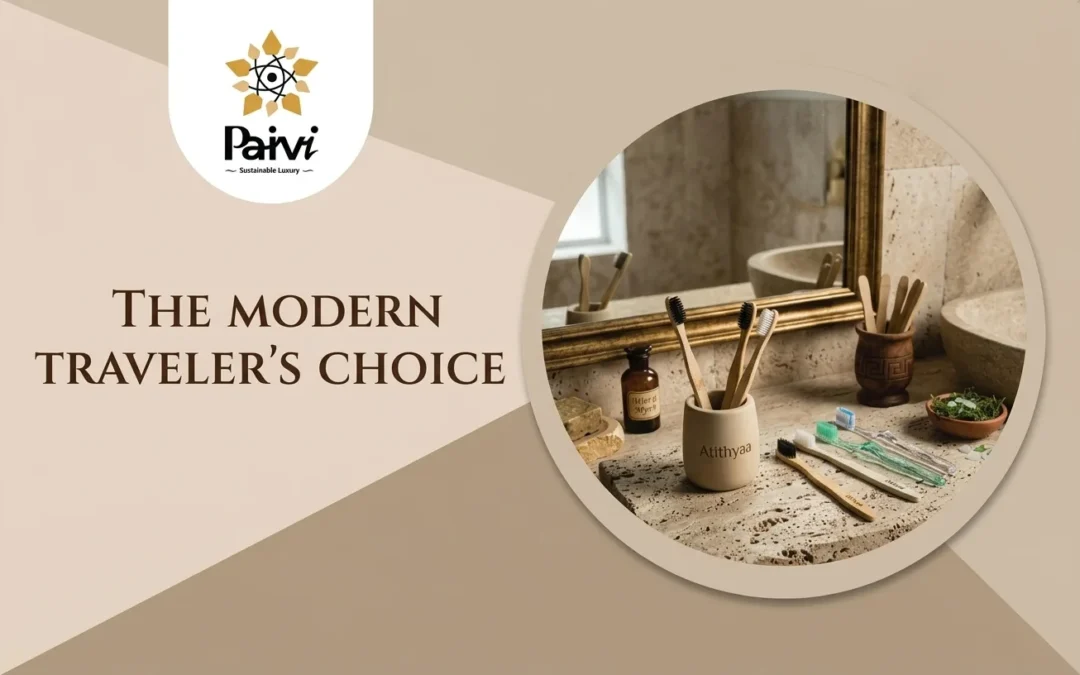
Many properties now use eco-friendly hospitality products such as Bamboo Razor, Bamboo Toothbrush, and Bamboo Comb. These products reduce plastic waste and support sustainable operations.
Sustainable practices include:
- Reduced plastic usage
- Energy-efficient lighting
- Water-saving systems
- Use of eco-friendly amenities
7. Local Experience and Cultural Connection
Guests want to explore the local area in a meaningful way. They prefer hotels that help them connect with nearby culture and lifestyle.
Hotels that promote local experiences add real value to the stay.
What works well:
- Local food and cuisine options
- Recommendations for nearby attractions
- Tie-ups with local guides or services
- Cultural activities or events
8. Wellness and Health-Focused Services
Health has become an important factor in travel decisions. Guests look for hotels that support both physical and mental well-being.
Even small additions can improve the guest experience.
Popular wellness features:
- Fitness or workout spaces
- Healthy food options
- Calm and quiet rooms
- Basic spa or relaxation services
9. Contactless Services for Convenience
Many guests now prefer minimal physical interaction. Technology helps deliver this convenience.
Hotels that offer contactless options improve efficiency and guest satisfaction.
Examples:
- QR-based menus
- App-based service requests
- Digital payments
- Self check-in kiosks
10. Strong Online Reviews and Trust Signals
Guests rely on reviews before booking. They check ratings and read feedback from other travelers.
Hotels should actively manage their online reputation.
Key actions:
- Maintain high ratings on platforms
- Respond to guest feedback
- Address complaints quickly
- Encourage satisfied guests to leave reviews
11. Smart Use of Technology
Technology should make the stay simple and comfortable. Guests prefer easy-to-use systems.
Hotels should focus on useful features instead of complex systems.
Useful technology features:
- Smart lighting and temperature control
- Quick customer support systems
- Automated responses for common queries
- Simple in-room controls
- Value for Money and Clear Benefits
Guests compare multiple options before booking. They want clear value for what they pay.
Hotels that provide consistent quality and clear benefits perform better.
What matters most:
- Clean and comfortable rooms
- Included services like Wi-Fi or breakfast
- Transparent pricing
- Good customer service
Check Out Our Instagram Post on Modern Travelers Expectation from Hotels!
Conclusion
Modern travelers in 2026 expect hotels to be efficient, clean, and transparent. They value strong internet, flexible policies, and responsible practices. They also look for local experiences and simple technology that improves comfort.
Hotels that focus on these expectations can improve guest satisfaction and build long-term trust. Small and practical improvements can lead to better results over time.