
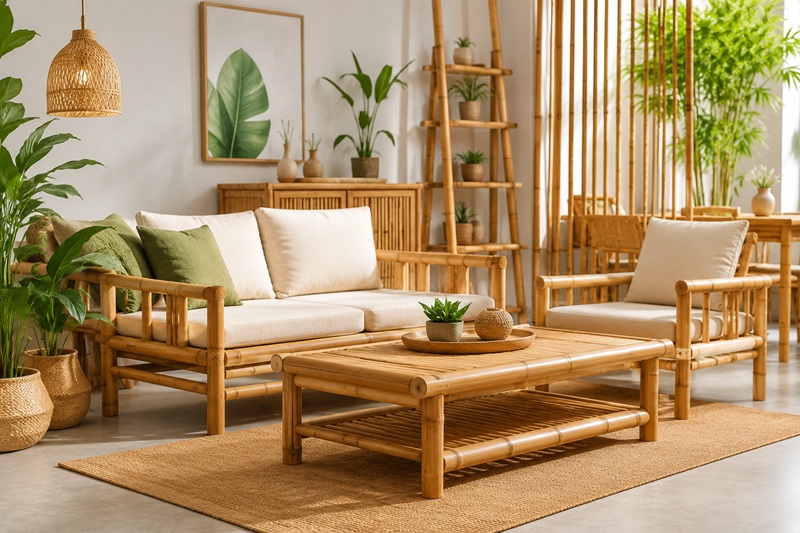
Why Bamboo Furniture Is Becoming More Popular
Bamboo has long been recognized as one of the most renewable natural resources. Unlike traditional hardwood trees that may take decades to mature, many bamboo species reach full growth within just a few years. This rapid regeneration makes bamboo an environmentally responsible material for furniture production.
Apart from its sustainability, bamboo offers impressive strength and flexibility. Modern manufacturing techniques have further improved its performance, allowing designers to create furniture that is both stylish and long-lasting. From dining tables and beds to bookshelves, outdoor seating, and office furniture, bamboo is now used in a wide variety of applications.
Its natural appearance also complements modern interior design trends, where minimalism, earthy tones, and natural materials continue to gain popularity.
Growing Consumer Preference for Sustainable Products
Environmental awareness has become a major factor influencing buying behavior. More consumers are actively seeking products that reduce their environmental footprint without compromising on quality or design.
Furniture made from renewable materials such as bamboo appeals to buyers who want sustainable alternatives to traditional hardwood furniture. As governments, businesses, and consumers place greater emphasis on responsible sourcing and environmentally friendly manufacturing, bamboo furniture is becoming an increasingly preferred choice.
This shift is especially noticeable among younger consumers, who often prioritize sustainability when making purchasing decisions.
Expanding Applications Across Residential and Commercial Spaces
While bamboo furniture was initially associated with outdoor or casual décor, it has evolved into a premium furnishing option suitable for multiple environments.
Homeowners are choosing bamboo for living rooms, bedrooms, kitchens, balconies, and home offices because it offers a combination of elegance, durability, and affordability. Its lightweight nature also makes it easier to move and rearrange compared to many traditional wooden furniture pieces.
Commercial demand is also rising. Hotels, restaurants, cafés, resorts, coworking spaces, educational institutions, and corporate offices are increasingly incorporating bamboo furniture into their interiors. Many businesses are adopting sustainable practices as part of their environmental commitments, and furniture selection plays an important role in achieving those goals.
Technological Advancements Are Improving Product Quality
Manufacturing innovations have significantly enhanced the quality and appearance of bamboo furniture. Engineered bamboo panels, improved treatment methods, and advanced finishing technologies have made bamboo products more resistant to moisture, pests, and daily wear.
Designers are also experimenting with modern styles that appeal to contemporary consumers. Today, bamboo furniture is available in sleek, minimalist, Scandinavian-inspired, industrial, and luxury designs, making it suitable for a wide range of interior themes.
These innovations are helping bamboo compete directly with conventional wooden furniture in terms of both appearance and performance.
Online Retail Is Expanding Market Reach
The rapid growth of e-commerce has made bamboo furniture more accessible than ever before. Consumers can easily compare designs, prices, customer reviews, and sustainability credentials before making a purchase.
Online marketplaces, direct-to-consumer brands, and furniture retailers are investing heavily in digital platforms to reach environmentally conscious shoppers. Virtual room visualization tools, detailed product specifications, and convenient home delivery services have further improved the buying experience.
As online furniture shopping continues to grow, bamboo furniture manufacturers are expected to benefit from broader market exposure and increased consumer confidence.
Regional Market Trends
The Asia-Pacific region remains one of the largest producers and consumers of bamboo furniture due to abundant bamboo resources and well-established manufacturing capabilities. Countries such as China, India, Vietnam, and Indonesia continue to play an important role in global production.
North America and Europe are also witnessing growing demand, driven by increasing consumer awareness of sustainability and the adoption of eco-friendly home décor. Many retailers in these regions are expanding their collections to include responsibly sourced bamboo furniture that aligns with changing customer preferences.
Emerging markets are expected to present additional opportunities as urbanization, rising disposable incomes, and growing interest in sustainable lifestyles continue to shape consumer demand.
Challenges Facing the Industry
Despite its promising outlook, the bamboo furniture industry faces several challenges.
Consumer awareness remains relatively limited in certain regions, where many buyers still associate bamboo furniture with basic or temporary products rather than premium furnishings. Educating consumers about the durability, strength, and long-term value of bamboo will be essential for wider adoption.
Supply chain management, quality consistency, and sustainable harvesting practices also require continued attention. Manufacturers must ensure responsible sourcing while maintaining product quality and meeting increasing global demand.
Competition from traditional wood, metal, and engineered furniture materials also presents ongoing challenges, encouraging companies to focus on innovation, product differentiation, and competitive pricing.
Future Outlook
The future of the bamboo furniture market appears highly promising as sustainability becomes an integral part of everyday purchasing decisions. Consumers are increasingly looking beyond aesthetics and price, considering environmental impact, product lifespan, and responsible manufacturing practices before making purchases.
As innovation continues to improve product quality and design, bamboo furniture is expected to become an even more mainstream choice across residential and commercial sectors. Growing investments in sustainable manufacturing, expanding online retail channels, and supportive environmental policies are likely to further strengthen market growth over the next decade.
Businesses that embrace eco-friendly materials and prioritize responsible production will be well-positioned to meet the evolving expectations of modern consumers.
Bamboo Products and Paivi
At Paivi, we are committed to promoting sustainable living through eco-friendly products that combine quality, functionality, and responsible sourcing. Bamboo is one of the most versatile and renewable materials available today, making it an ideal choice for creating products that support both modern lifestyles and environmental conservation. From hospitality essentials to everyday lifestyle products, bamboo offers exceptional durability, natural aesthetics, and a significantly lower environmental impact than many conventional materials.
As awareness of sustainable practices continues to grow, bamboo products are becoming an increasingly popular choice for businesses and individuals seeking greener alternatives. At Paivi, we regularly share insights on sustainable materials, emerging industry trends, and practical ways to reduce environmental impact through smarter product choices. By embracing bamboo-based solutions, consumers and organizations can contribute to a more sustainable future while enjoying products that are stylish, reliable, and designed for long-term use.